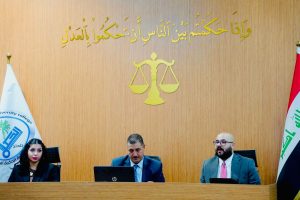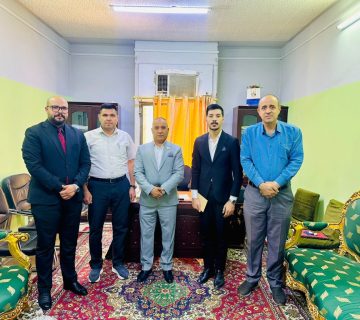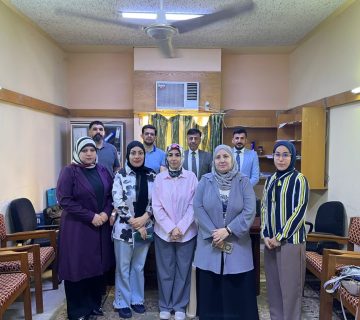
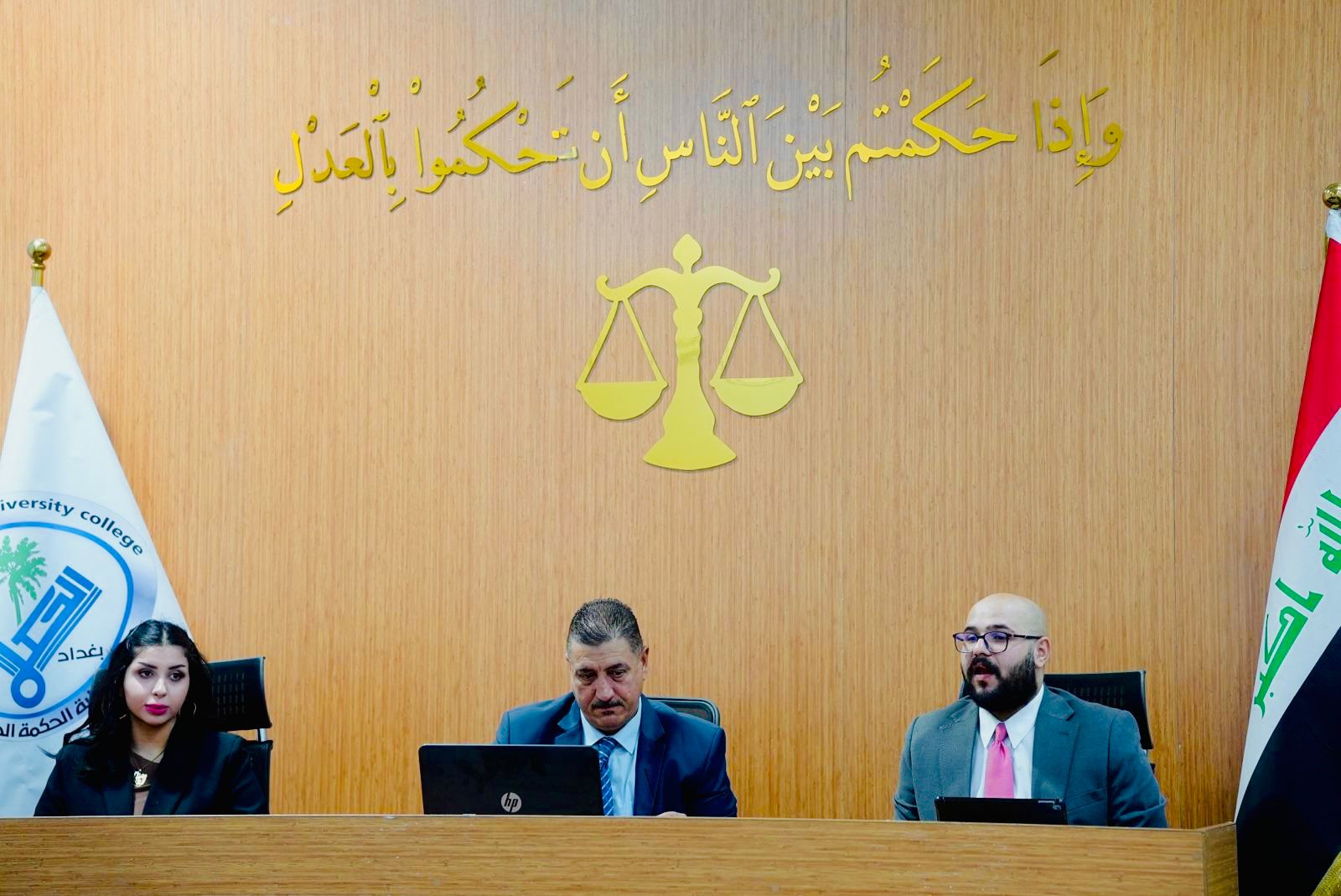
Assistant Professor Dr. Mohammed Kadhem Al-Ma’ini, Assistant Lecturer Lina Imad Mohsen, and Assistant Lecturer Saif Nayef Abdul Abbas, affiliated with the Center for Strategic and International Studies at the University of Baghdad, participated in a specialized training course entitled “The 2025 Parliamentary Elections in Iraq: Political Alliances and the Future of the Democratic System.” The course was organized by Al-Hikma University College in cooperation with the Continuing Education Division, within the framework of institutional efforts to promote electoral awareness and consolidate democratic participation.
The first session of the course examined a set of core analytical themes, foremost among them the conceptual and practical significance of elections as a foundational pillar of democratic governance, the role of voter turnout in reinforcing electoral legitimacy, and an analytical assessment of the structure and dynamics of political alliances. The session further addressed the function of popular opposition in articulating societal demands, the operational mechanisms of parliamentary opposition within the legislative institution, and a range of challenges related to exclusion procedures and the suppression or invalidation of votes.
The session was characterized by rigorous analytical interventions that expanded the theoretical and empirical scope of discussion and facilitated the exchange of perspectives among participants. These contributions supported a more nuanced understanding of the electoral process and its interaction with broader political dynamics within the Iraqi context.
In concluding the session, emphasis was placed on the centrality of broad electoral participation as a key mechanism for the expression of popular will and the reinforcement of democratic principles within the political system, in ways that support reform trajectories and contribute to the consolidation of democratic practice in Iraq.
This participation reflects the Center for Strategic and International Studies at the University of Baghdad’s broader orientation toward strengthening academic collaboration, engaging systematically with political and electoral issues, and advancing scholarly research that responds to societal needs.